First Year, PGY-1
Laying the foundation in the intern year
The intern year is designed to help you build a strong foundation in pediatric knowledge while developing the practical skills and confidence needed to care for patients independently and to take on supervisory responsibilities in later years.
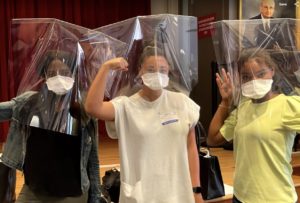
As an intern, you will take on front-line responsibility for patients across a variety of settings, including the general inpatient wards, emergency departments, and ambulatory clinics at both BCH and BMC, as well as in the neonatal intensive care units (NICU) at BMC and BWH. These diverse clinical experiences expose you to a wide spectrum of pediatric illnesses and illness acuities, giving you the opportunity to grow as a clinician and educator. Interns also participate in teaching medical students from Harvard Medical School, Tufts University School of Medicine, and Boston University Chobanian & Avedisian School of Medicine.
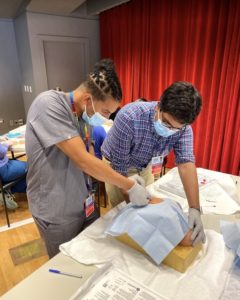
Most inpatient rotations focus on pediatric hospital medicine at both BCH and BMC, as well as inpatient Pulmonology, Hematology and Rheumatology at BCH. Interns also rotate through the Pediatric Intermediate Care Unit (PIMCU; a PICU step-down/floor step-up unit at BCH), which provides early supervised exposure to higher-acuity patients in a supportive setting. Additional inpatient experiences include the newborn nurseries and NICUs at BMC and BWH, and emergency department shifts at both BCH and BMC. Through Selective experiences in Neurology, Endocrinology, Infectious Diseases, and Allergy & Immunology, interns can customize their learning and gain early exposure to inpatient and outpatient subspecialty care.
Ambulatory experiences: All residents are assigned to a continuity clinic site in the Boston area, where they care for a personal panel of patients over the three years of residency. Interns also rotate through a variety of ambulatory experiences, including Urgent Care, Developmental and Behavioral Pediatrics, Mental Health, Adolescent Medicine, and outpatient subspecialty clinics. These rotations offer excellent exposure to preventive care, chronic disease management, and the longitudinal relationships that define primary care pediatrics.
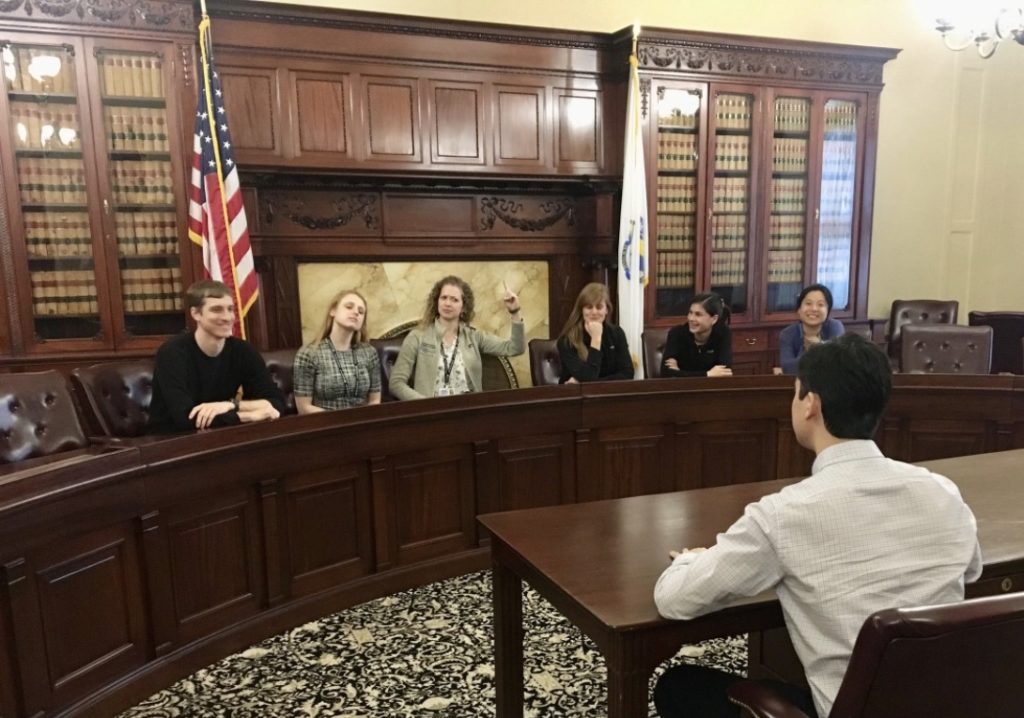
Advocacy: Equipping residents with a foundational set of skills and knowledge to be effective advocates is a core value of the BCRP. Interns therefore participate in an advocacy rotation during their intern year. During the rotation, residents learn about the root causes of structural and social determinants of health and gain an understanding of resources available to address health inequities, both within our hospitals and institutions and in the surrounding community. Residents develop skills in building effective partnerships with families, organizations, and community members, as well as specific advocacy skills including strategic communication, storytelling, legislative advocacy, and media engagement. The rotation also provides deeper exposure to caring for certain unique and underserved patient populations. Residents learn from multiple mentors who have integrated advocacy into their careers and receive structured guidance to develop an advocacy project, which they present at the conclusion of the rotation.
Sample intern schedule and PGY-1 Rotations