Education
Education First
Education is a priority in the BCRP. From Grand Rounds by world-renowned specialists, to impromptu overnight clinical instruction, teaching and learning permeate all aspects of residents’ daily lives. At both BMC and BCH, there are daily protected noon conferences that foster discussion and debate between residents and faculty. The chief residents at each clinical site hold resident pagers and phones so that education can be truly protected. Through Family Centered Rounds, residents benefit by learning directly from senior faculty, fellow residents, and their patients at the bedside.
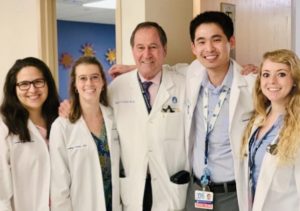
Residents are also given the opportunity to learn to teach right from the start, cultivating their skills as teachers and reinforcing their own knowledge through the art of teaching. Our Boston University and Harvard medical students consistently identify residents as one of the most important sources of instruction. As part of our commitment to case-based teaching, residents supervise medical student patient encounters all the way from the initial history through the presentation on rounds. Residents who are not in combined tracks/special pathways also have a dedicated mentored TEACH rotation to hone their craft as teachers to their peers and medical students.
Resident Involvement in Curriculum Design
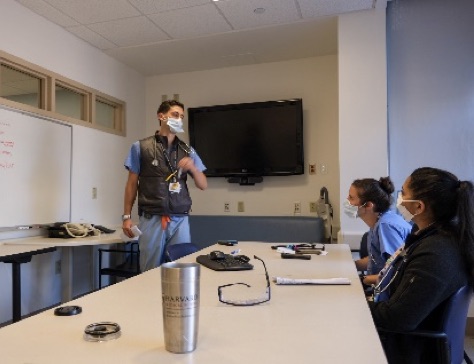
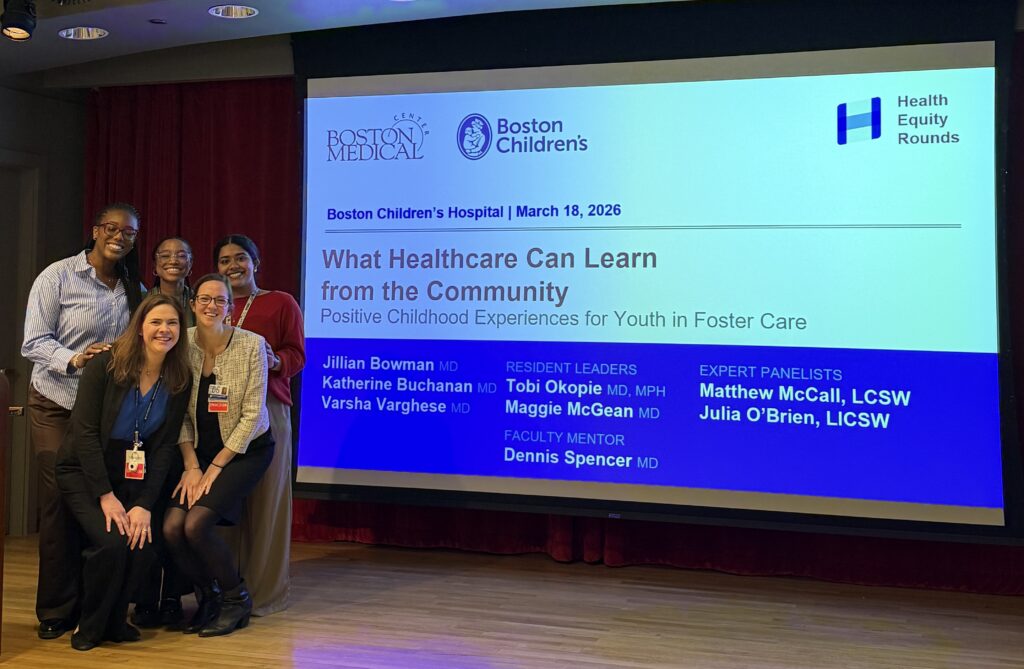
Through the Residency Program Training Committee and the Medical Education Academy, resident feedback and input are driving forces behind changes in the curriculum, which is constantly evolving to meet the educational needs of the residents. Resident-led innovations in the BCRP curriculum include revamping and consolidation of conferences into our current noon conference format, elimination of 24-hour call, a new X+Y+Z schedule, creating an Admit rotation to protect sign-out time for inpatient residents while allowing increased autonomy, developing a multidisciplinary primary care rotation, creating Health Equity Rounds (HER), creating mental health rotations for juniors and seniors to familiarize residents with the evaluation and treatment of children with behavioral and mental health conditions, and more.